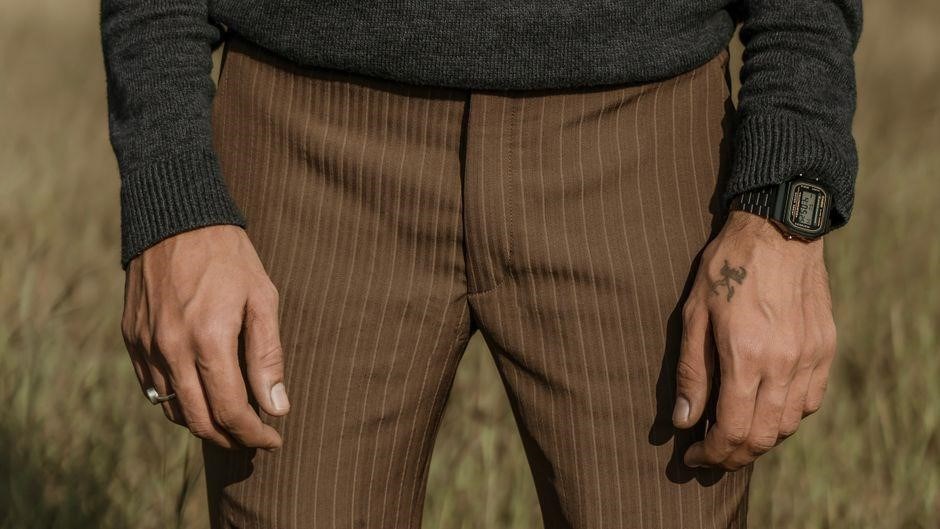
Understanding Pants Fit Basics
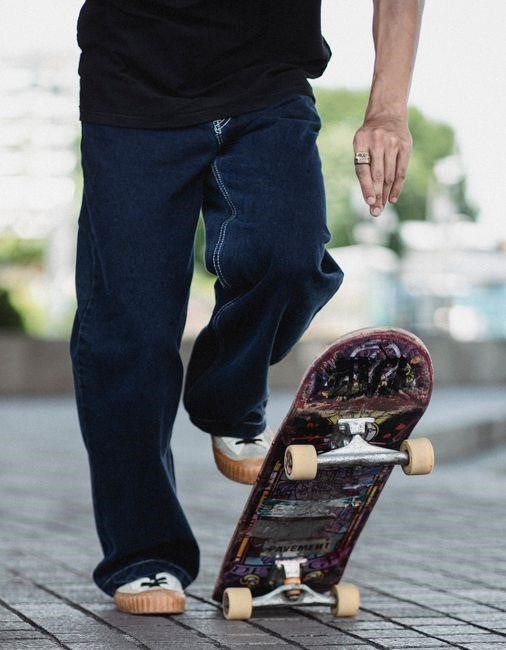
Understanding fit starts with knowing key measurements: waist, hips, inseam. A proper rise and taper ensure comfort and style. Check fabric weight and weave for breathability. Adjustments can refine fit, but a good baseline reduces fitting room trips.
Measure waist, hips, inseam for fit exactly.
The Importance of Proper Fit
When you choose pants that sit correctly, the first thing you notice is the difference in comfort. A well‑fitted pair eliminates the constant tugging at the waist, the sagging at the hips, and the awkward bunching at the ankles. This not only feels better but also preserves the natural movement of your legs, allowing you to walk, sit, and stand without restriction. Beyond comfort, the right fit projects confidence; clothes that fit you well flatter your shape, create a cleaner silhouette, and help you maintain a polished appearance in both casual and formal settings. Poorly fitting pants can distort proportions, making you look larger or shorter than you are, and can distract from your overall style. Additionally, a proper fit reduces wear and tear on the fabric, extending the life of the garment. Finally, well‑structured pants support posture, reducing strain on the lower back and hips, which is especially important for people who spend long hours on their feet or in a seated position. In short, proper fit is the foundation of comfort, confidence, and longevity in every pair of pants. Proper fit also influences posture, reducing lower back strain and improving circulation. It makes dressing quicker, as you can rely on a well‑fitted pair to stay in place throughout the day. Finally, a good fit can be a subtle statement of personal style, showing attention to detail without overt flair. Choosing the right fit also saves money durable well‑fitted pants last longer and require fewer replacements.
Common Fit Terminology
When shopping for pants, you’ll encounter a variety of terms that describe how a garment sits on the body. “Regular” or “classic” fit refers to a straight‑cut leg with a mid‑rise waist that offers room in the hips and thighs without tapering. “Slim” fit narrows the leg from the thigh to the ankle, creating a streamlined silhouette while still allowing enough room for movement. “Skinny” goes even tighter, hugging the calf and often featuring a low‑rise waist. “Relaxed” or “loose” fit provides generous space in the hips and thighs, ideal for comfort or layering. “Straight” cut pants keep a consistent width from hip to cuff, whereas “tapered” legs gradually narrow toward the ankle. Rise descriptors such as “high‑rise,” “mid‑rise,” and “low‑rise” indicate how high the waistband sits relative to the natural waistline. “Cuffed” or “rolled” cuffs add a finished look at the ankle, while “cropped” pants end above the ankle. “Bootcut” or “flared” styles widen at the ankle to accommodate boots. Understanding these terms helps you match the garment to your body shape, lifestyle, and the occasion, ensuring a flattering and functional fit.
Additional descriptors help narrow choices. “Tucked” indicates a waistband that sits below the natural waist, often paired with a low‑rise. “Slouch” refers to a relaxed, slightly sagging fit that can be flattering on larger frames. “Pleated” or “unpleated” denotes a fold in the front panel, affecting the visual width. “Raw hem” gives a casual, unfinished look, while “cuffed” or “rolled” hems add a polished finish. “Drawstring” or “elastic” waistbands offer flexibility for wear. “Adjustable belt loops” allow for a custom fit. Pocket styles—such as “cargo,” “utility,” or “slim‑fit”—alter the silhouette. Fabric terms like “spandex,” “polyester,” “cotton blend,” “linen,” or “denim” influence stretch, breathability, and durability. Knowing these terms empowers shoppers to match pants to function, comfort, and style!
How Fit Impacts Comfort and Style
Fit is the bridge between comfort and style. A well‑measured waist and hip line ensures that the garment sits naturally, preventing chafing or sagging that can ruin a look. The rise—high, mid, or low—determines how the pants align with the body’s center of gravity; a high‑rise offers support for longer legs, while a low‑rise can accentuate a lean silhouette. Tapered or straight cuts influence mobility: a slim taper allows freedom of movement in the thighs, whereas a relaxed cut keeps the hips loose for active wear. Fabric weight and weave also play a role; a lightweight cotton blend breathes in summer, whereas a heavier wool provides structure and warmth in winter. Stretch content, such as elastane, adds elasticity, preventing restriction during bends. Style cues—cuffed hems, pleats, or raw edges—are only effective if the base fit is correct; a poorly fitted pair will look sloppy regardless of detailing. Ultimately, a proper fit balances the body’s proportions with the garment’s design, delivering both a flattering silhouette and a comfortable experience. When selecting a pair, consider how the fit feels during everyday activities—walking, sitting, bending—since a garment that feels snug at the waist but loose in the thighs can create discomfort over time. Additionally, the visual impact of a well‑fitted pair can elevate confidence, making a simple outfit appear polished and intentional. Seasonal changes can alter fabric stretch, affecting fit if not considered carefully.
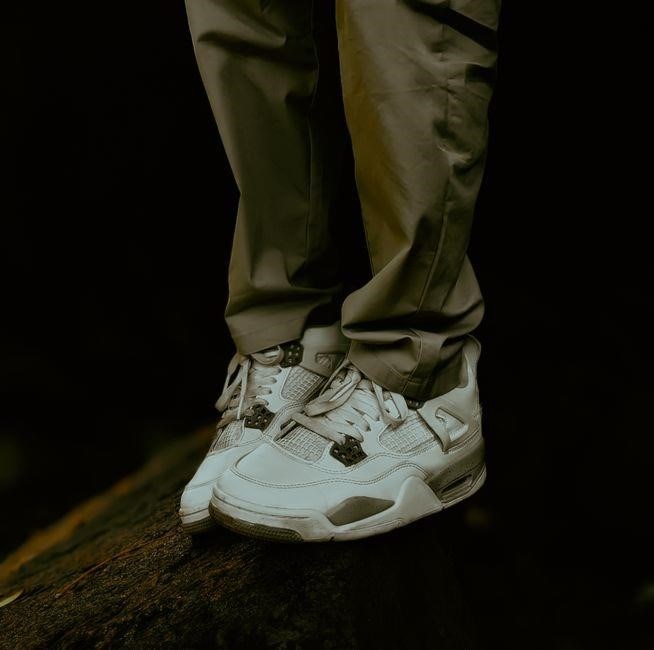
Key Measurements for a Perfect Fit
Measure waist at the natural waistline, hips at fullest point, and inseam from crotch to ankle. Use a flexible tape, record each in inches. Accurate measurements ensure the pants fit snugly without excess, providing comfort and a tailored look. Keep measurements consistent for all styles. Enjoy now.!
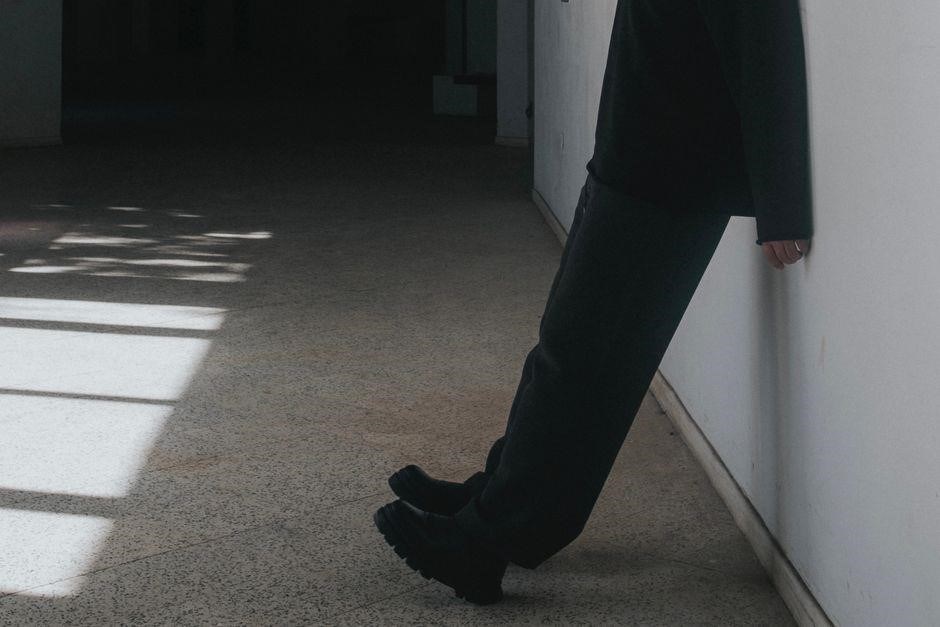
Waist and Hip Measurements
When measuring for pants, start with the waist: wrap a flexible measuring tape around the natural waistline, just above the belly button, where the belt would sit. Ensure the tape is snug but not compressing the skin; a slight give is fine. Record the measurement in inches or centimeters. Next, measure the hips: locate the widest part of the buttocks, usually about two inches below the waist. Place the tape around this point, again snug but tight, and note the measurement. Accurate waist and hip measurements are foundational; they dictate the overall silhouette and ensure the pants fit comfortably. For a true fit, compare your measurements to the brand’s sizing chart, noting any variations in cut or style. If your waist and hips differ significantly, consider a pair with a tapered or curvy cut to accommodate the shape. Consistency in measuring technique—using the same tape, same reference points, and same unit—ensures repeatability across different brands and styles. This precision reduces the need for alterations. When measuring, stand upright, relax your core, and avoid pulling the tape too tight. Use a mirror to confirm the tape is level across the waist and hips. For online shopping, many retailers provide a measurement guide; cross‑check your numbers with their recommended size. Remember that some fabrics shrink slightly after washing, so adding a half‑inch to the waist measurement can be prudent. Keep a log of your measurements for future reference. This approach saves time and ensures a perfect fit.
Inseam and Leg Length
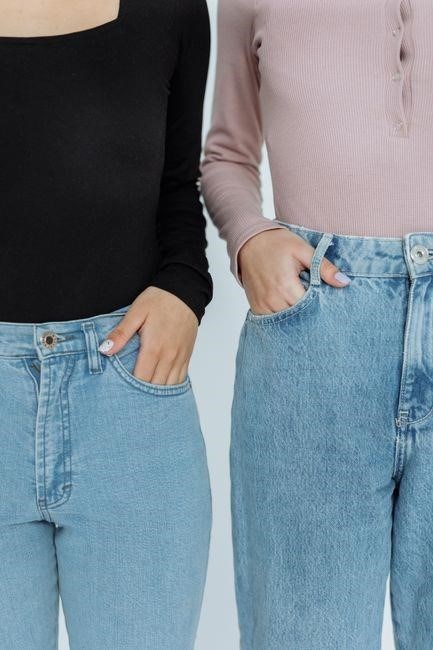
Measuring inseam and leg length is essential for a flattering fit. Begin by standing straight with feet slightly apart. Place a ruler or measuring tape from the top of the inner thigh, where the crotch meets the leg, down to the ankle bone. The measurement should follow the natural leg line, not the outer edge. For a standard straight leg, the inseam typically ranges from 30 to 34 inches for most adults. However, individual proportions vary; individuals may need longer inseams, while shorter ones may prefer shorter cuts. When shopping online, many retailers provide a detailed inseam guide: measure your own inseam, then match it to the brand’s chart. If you’re between sizes, choose the larger inseam and consider a slight alteration. Some styles, like slim or tapered cuts, may require a shorter inseam to avoid excess fabric at the hem. After selecting the inseam, check the leg opening. A proper leg opening ensures the pants sit comfortably at the ankle without bunching. For a tailored look, the hem should fall just above the shoe, creating a clean line. If the hem is too long, it can drag or look sloppy. Conversely, a hem that’s too short may expose the ankle and feel restrictive. Adjusting the hem length is a common alteration that can be done at home or by a tailor. Finally, remember that fabric stretch can affect leg length. Stretchy fabrics may elongate slightly after washing, so measuring before laundering is advisable. By following these steps, you’ll achieve a precise inseam and leg length that enhances both comfort and style. Fit well!!
Design Elements That Influence Fit
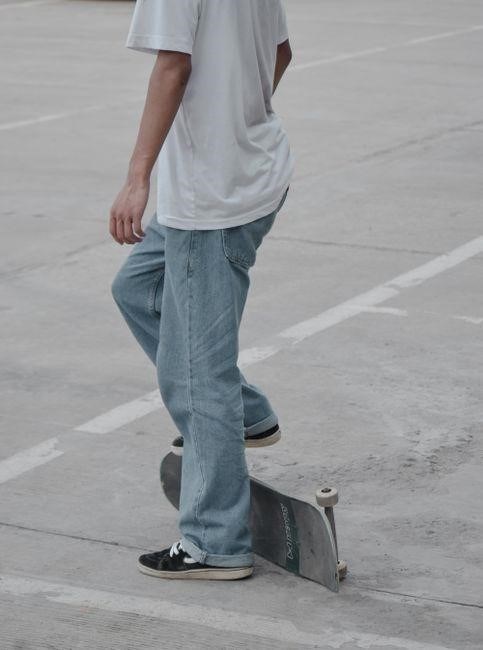
Rise, waistband, and fabric choices shape how pants sit. A high rise offers a smooth silhouette, while a mid‑rise balances comfort. Elastic waistbands add flexibility, and fabric weight dictates drape. Understanding these elements ensures a tailored fit. Balanced rise and fabric weight build confidence now!
Rise Types and Their Effects
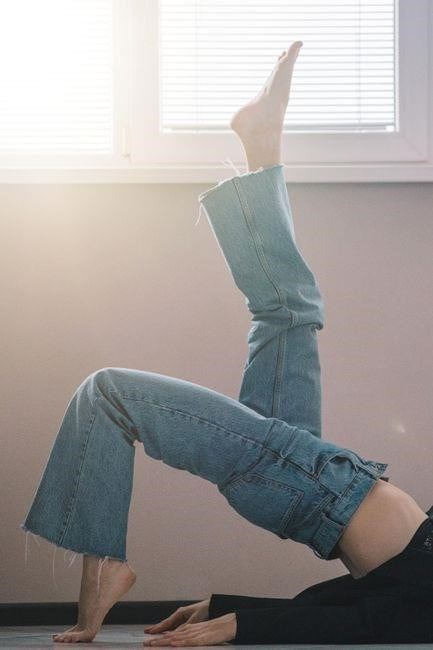
Rise is the vertical distance from the crotch seam to the top of the waistband. It dictates where the pants sit on the body and influences both comfort and silhouette. Three primary rise categories dominate today’s market: low, mid, and high. Low rise, typically 8–10 inches, places the waistband below the natural waistline, offering a contemporary, relaxed look that pairs well with cropped tops and athleisure. However, it can accentuate a lower belly and may feel unstable during movement.
Mid‑rise, ranging from 10–12 inches, strikes a balance between style and practicality. It sits at or slightly above the natural waist, providing a flattering fit for most body types while maintaining ease of movement. This rise is common in casual jeans, chinos, and workwear, delivering a classic profile that works across seasons.
High rise, often 12–14 inches or more, sits well above the natural waist, offering a more structured, elongated appearance. It smooths the torso, elongates the legs, and can be a flattering choice for those with a higher belly or longer torso. High‑rise styles are favored in tailored trousers, vintage‑inspired cuts, and certain athletic pants for added support.
Choosing the right rise depends on body shape, desired silhouette, and activity level. Pair a low rise with high‑waist bottoms for a balanced look, and consider mid or high rise for formal or structured outfits. Remember, the rise is a foundational element that can transform the overall feel and look of any pair of pants.
When shopping, compare rise measurements on the tag and try on a few styles to ensure the chosen rise aligns with your comfort preferences. A well‑chosen rise can elevate both confidence and performance, making it a key decision in any pants selection process.
Waistband Styles and Adjustability
Waistbands are the first line of contact between pants and body, and their design can dramatically influence fit, comfort, and style. Modern waistbands come in a spectrum of constructions: elastic, woven, and adjustable. Elastic waistbands provide a forgiving, stretch‑friendly fit that adapts to movement, making them ideal for casual and athletic wear. However, they can shift and lose tension over time, especially if the fabric is heavy or the wearer is active. Woven waistbands, often stitched into the fabric, offer a crisp, structured look that holds shape well. They are common in dress trousers and high‑quality chinos, delivering a clean silhouette that resists sagging. Adjustable waistbands combine the best of both worlds. Featuring a small zipper or button‑loop system, they allow the wearer to fine‑tune the fit after the garment is on. This is especially useful for those with fluctuating waist measurements or for styles that sit high on the waist. Some designers incorporate a hidden elastic core within a woven shell, providing stretch while maintaining a polished appearance. The choice of waistband also affects the placement of pockets, the integrity of seams, and the overall durability of the garment. When selecting pants, consider the intended use: casual, work, or formal. For everyday wear, a low‑profile elastic or a slim woven waistband may be sufficient. For formal occasions, a tailored woven waistband with a subtle button or hidden zipper ensures a refined look. Always test the waistband by moving, bending and sitting to gauge how it holds shape and how it feels against the skin. A well‑chosen waistband can be the difference between a pair of pants that simply fits and one that feels custom‑made.
In addition, many high‑end brands now offer waistbands with integrated adjustment rings or magnetic closures, allowing for discreet tightening without visible buttons. These innovations cater to modern lifestyles where quick adjustments are valued. Remember, the waistband is not just a functional element; it also reflects the garment’s aesthetic, so choose one that complements the fabric and cut for a cohesive look.
Finally, always inspect the waistband seam for even stitching; uneven seams can lead to discomfort and premature wear. A well‑finished waistband ensures longevity and a polished finish.
Fabric Weight, Weave, and Stretch
Fabric weight is measured in grams per square meter (GSM) and directly influences the drape, durability, and seasonal suitability of pants. Light fabrics (120–180 GSM) offer breathability and a relaxed feel, ideal for summer or layering. Medium weights (180–260 GSM) strike a balance, providing structure without bulk, suitable for transitional weather. Heavyweights (260 GSM and above) deliver solidity and warmth, perfect for winter or rugged workwear.
The weave—plain, twill, sateen, or satin—determines texture, sheen, and how the fibers interlock. A plain weave creates a tight, smooth surface that resists pilling, while twill offers a diagonal pattern that adds visual interest and a slightly looser feel, enhancing airflow. Sateen weaves produce a lustrous finish with a subtle sheen, often used in dress pants for a polished look. Satin weaves, though less common in trousers, provide a silky feel and a pronounced shine, suitable for formal or fashion‑centric pieces.
Stretch is typically introduced through elastane blends (commonly 2–5 %) or through knitted panels. A 2 % elastane blend offers modest recovery, keeping the garment true to shape after movement. Higher percentages (4–6 %) deliver greater flexibility, beneficial for athletic or high‑mobility styles. Knitted stretch panels—often placed at the seat and inseam—allow the pants to accommodate a range of hip and thigh dimensions while maintaining a flat appearance. Weave and weight shape the garments silhouettetrue

Finalizing Your Choice: Shopping, Adjustments, and Care

Choose pants that match your measurements, then test fit in a relaxed setting. If minor tweaks are needed, a tailor can adjust waist or inseam. Store in a cool, dry place; wash per label, avoid high heat, and use a gentle cycle to preserve fit and fabric integrity. Hang to dry, iron low heat, keep shape now
Selecting the Right Pair and Knowing When to Alter
Choosing the correct pair of pants begins with precise measurements of waist, hips, inseam, and thigh circumference. Compare these numbers to the brand’s size chart, noting deviations in fit for different styles—straight, tapered, or relaxed. Pay close attention to the rise: a low rise may feel too tight at the hips, while a high rise can create a boxy look if the waist is too wide. Test the movement by sitting, bending, and walking to ensure there is no restriction or gaping.
Once you’ve identified the right size, evaluate the rise and leg cut. A high rise may feel restrictive at the hips, whereas a low rise can cause the pants to ride up. Tapered cuts should narrow at the ankle, but avoid excessive taper that squeezes the calf. Test by walking, bending, and sitting to confirm comfort. If the pants feel loose around the thighs, consider a tighter fit. For a more tailored look, a slight taper from waist to ankle can enhance silhouette. Fit.!!
Fabric choice influences longevity. Natural fibers like wool or cotton stretch slightly over time, while synthetic blends hold shape more rigidly. For everyday wear, a blend with a small percentage of elastane offers a forgiving stretch. Always follow the care label: wash on a gentle cycle, avoid high heat, and dry flat or hang to preserve shape. If frayed edges appear, consider a cleaning. A durable weave twill resists pilling. Store pants in a cool, dry place to keep shape!
Fit well feel great. Fit well feel great!