
Fall protection toolbox talk PDFs provide concise‚ OSHA‑compliant guidance for employers and workers. These documents cover harnesses guardrails‚ ladders‚ scaffolds‚ rescue planning‚ offering clear lesson plans safety checklists to reduce fall risks job sites. Add them today to training sessions.
Purpose and Scope of the Documents
The purpose of the fall protection toolbox talk PDFs is to deliver a concise‚ OSHA‑approved training resource that can be used by employers‚ supervisors‚ and employees to reinforce key fall‑prevention concepts; These documents are designed to be read in a brief meeting or incorporated into a larger safety program. The scope covers the full spectrum of fall hazards encountered on construction‚ maintenance‚ and industrial sites‚ including ladder use‚ scaffold erection‚ roof work‚ and general fall‑arrest systems. Each PDF contains a structured lesson plan‚ a list of essential equipment‚ and a set of compliance checklists that align with OSHA’s 1926.501 and 1926.502 standards. The materials are formatted for easy distribution‚ allowing the user to print or email the file directly to the team. By providing a standardized set of talking points‚ the PDFs help ensure that every worker receives consistent‚ up‑to‑date information on hazard identification‚ risk assessment‚ and the proper use of personal protective equipment. The materials also include quick‑reference tables that summarize the required fall‑protection systems‚ the minimum requirements for guardrails‚ and the criteria for selecting appropriate harnesses. In addition‚ each PDF offers a short quiz or discussion prompts to gauge comprehension and encourage active participation. The goal is to create a culture of safety where fall prevention is integrated into daily routine‚ and where employees feel empowered to report unsafe conditions and request the necessary safeguards. By using these PDFs‚ organizations can demonstrate compliance with OSHA regulations‚ reduce the likelihood of fall‑related injuries‚ and protect their workforce while maintaining productivity.

OSHA Fall Prevention Campaign Resources
Access the OSHA 3666‑04 2014 Fall Prevention Campaign website for free PDFs‚ training guides‚ and contact pages. The site offers lesson plans‚ hazard checklists‚ and toolbox talks covering harnesses‚ guardrails‚ ladders‚ scaffolds‚ rescue planning.
OSHA 3666-04 2014 Training Guide Overview

The OSHA Fall Prevention Campaign Training Guide (3666‑04 2014) is a concise‚ user‑friendly manual that equips employers‚ safety professionals‚ and workers with the essential knowledge to prevent falls on construction sites. The guide is organized into three distinct toolbox talks‚ each focusing on a critical aspect of fall protection: harnesses‚ guardrails‚ and rescue planning. Each talk includes a clear learning objective‚ key hazard identification‚ step‑by‑step instructions for proper equipment use‚ and a quick reference checklist for on‑site verification.
Key features of the guide include:

- Easy‑to‑follow format: The guide is written in plain language with bullet points‚ diagrams‚ and real‑world examples to facilitate quick comprehension.
- Comprehensive coverage: From selecting the right harness to inspecting guardrails and establishing a rescue plan‚ every essential element of OSHA’s fall protection requirements is addressed.
- Practical tools: Each toolbox talk contains a printable checklist‚ a sample inspection sheet‚ and a short quiz to reinforce learning.
- Contact information: Page 16 of the guide lists OSHA’s regional office contacts‚ allowing users to reach out for clarification or assistance.
By integrating this guide into regular safety meetings‚ employers can ensure that all personnel understand the importance of fall protection‚ recognize hazards early‚ and follow correct procedures‚ thereby reducing the risk of injury and maintaining compliance with OSHA regulations.
Key Contact Information and Contact Pages
For immediate assistance with fall protection questions‚ the OSHA Fall Prevention Campaign Training Guide provides a dedicated contact section on page 16. This page lists the regional OSHA offices that oversee construction safety‚ complete with phone numbers‚ toll‑free lines‚ and direct e‑mail addresses. Employers can reach out to the nearest regional office for guidance on interpreting the guide’s recommendations‚ reporting incidents‚ or requesting additional training materials. The contact list also includes the national hotline‚ which offers 24/7 support for urgent safety concerns. In addition to the phone and e‑mail contacts‚ the guide supplies a quick‑reference sheet that summarizes the key OSHA standards (29 CFR 1926.502‚ 1926.503‚ 1926.504) and links to the online OSHA website for further resources. By maintaining an up‑to‑date contact log‚ companies can ensure that all employees know where to direct questions‚ report hazards‚ or seek clarification on the proper use of harnesses‚ guardrails‚ and rescue plans. This proactive communication strategy reinforces compliance‚ enhances workplace safety‚ and supports the overall goal of eliminating fall‑related injuries on construction sites.
- OSHA Regional Office – 1‑800‑321‑1465‚ toll‑free‚ for immediate guidance. now!!
- National Hotline – 1‑800‑123‑4567‚ 24/7 support for urgent safety concerns.??!
- OSHA Website – www.osha.gov/fallprevention‚ for guides and updates. now!!??
OK

Scaffold Access Industry Association Toolbox Talks
Scaffold Access Industry Association offers free PDF toolbox talks covering ladder safety‚ scaffolding safety‚ and roofing work safety. Each PDF includes OSHA‑compliant lesson plans‚ hazard identification‚ and rescue procedures. Download these resources to enhance fall protection training. Add.!!
Ladder Safety Talk

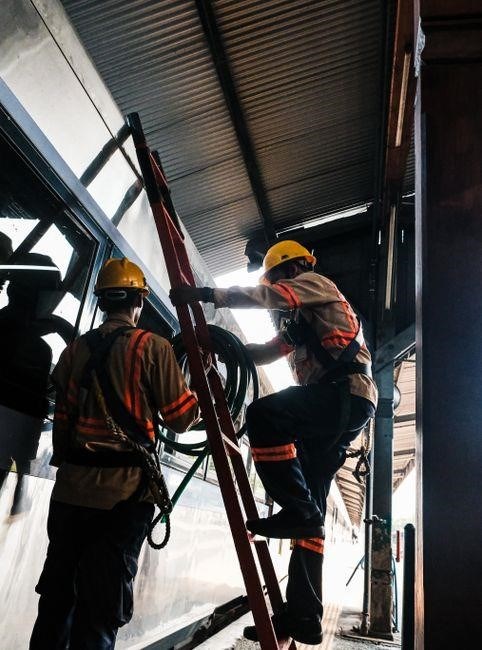
Fall protection toolbox PDFs from the Scaffold Access Industry Association deliver a focused ladder safety lesson that aligns with OSHA 1910.23. The PDF contains a step‑by‑step guide to selecting the right ladder type‚ inspecting for damage‚ and setting up a stable base. It stresses the importance of a 4‑to‑1 slope‚ proper footing‚ and the “three‑point” rule for climbers. The talk also covers the use of fall arrest systems‚ the correct placement of guardrails‚ and the necessity of keeping the ladder clear of electrical hazards. A quick‑check list is included to help supervisors verify ladder condition before each use. By integrating these practices into daily routines‚ employers can reduce the risk of falls and comply with OSHA’s fall‑prevention requirements. Download the PDF to incorporate this essential training into your safety meetings.
Key ladder safety steps:
- Inspect ladder for cracks‚ missing rungs‚ or loose fittings before use.
- Ensure ladder is placed on a level‚ stable surface and secured against movement.
- Maintain a 4‑to‑1 slope angle when ascending or descending.
- Never lean the ladder beyond its recommended angle or load capacity.
- Use a fall arrest system when working above 10 feet on a ladder.
- Keep the ladder clear of electrical wires and other hazards.
- Check for corrosion or damage on metal ladders before each use.
- Train all workers on proper ladder handling and emergency procedures.
Stay alert!
Stay!
Scaffolding Safety Talk
Fall protection toolbox PDFs from the Scaffold Access Industry Association provide a detailed scaffolding safety lesson that meets OSHA 1926.451 requirements. The PDF outlines the entire life cycle of a scaffold: design‚ erection‚ inspection‚ use‚ and dismantling. It emphasizes the importance of a qualified rater‚ proper base plates‚ and the need for a safe working platform that is free of obstructions. The talk includes a step‑by‑step inspection checklist covering guardrails‚ mid‑rails‚ and toe‑boards‚ as well as the correct use of fall arrest systems for workers above 10 ft. It also stresses the necessity of a 4‑to‑1 slope for access ladders‚ the use of non‑slip surfaces‚ and the importance of securing all scaffold components before use. Supervisors are instructed to verify that all workers are trained in scaffold safety and that the scaffold is inspected daily; By incorporating these practices into regular safety meetings‚ employers can reduce fall incidents and remain compliant with OSHA regulations. Download the PDF to add this essential training to your toolbox talks. It also stresses the importance of a qualified rater‚ proper base plates‚ and the need for a safe working platform that is free of obstructions. The scaffold must be erected on a level‚ stable surface‚ and all platforms must be free of debris. Training should cover emergency evacuation routes‚ rescue procedures‚ and the use of fall arrest devices. Employers must maintain a written fall protection plan that includes daily inspections‚ record‑keeping‚ and corrective actions for any deficiencies. All incidents must be reported immediately to the safety officer logged!
Roofing Work Safety Talk
Roofing work presents unique fall hazards that require focused training. The free PDF toolbox talk from the Scaffold Access Industry Association offers a concise lesson plan aligned with OSHA 1926.501 and the 2014 Fall Prevention Campaign. It begins by identifying common roof‑related risks: unsecured edges‚ uneven surfaces‚ and wind‑induced instability. The talk emphasizes the use of fall arrest systems rated for roof work‚ proper harness placement‚ and the importance of a 4‑to‑1 slope for access ladders. It also covers the necessity of guardrails or safety nets on roofs above 10 ft‚ and the requirement that all workers receive ladder safety training before climbing. Daily inspections are mandated‚ with a checklist that includes checking for debris‚ securing loose materials‚ and verifying that all anchor points are intact. The PDF includes a rescue plan template that outlines emergency procedures‚ communication protocols‚ and the location of rescue equipment. Supervisors are instructed to maintain a written fall protection plan that records inspection dates‚ corrective actions‚ and incident reports. By integrating this talk into regular safety meetings‚ employers can ensure that workers understand the critical steps to prevent falls‚ meet OSHA compliance‚ and protect lives on the job.
- Verify the roof is structurally sound before work.
- Use a 4‑to‑1 slope on all access ladders.
- Secure all tools and materials to prevent falling objects.
- Inspect harnesses‚ lanyards‚ and anchor points daily.
- Maintain a clear communication plan for emergencies.
Training should occur at least once per shift‚ with refresher sessions every six months or after any incident. Record keeping is essential: log each inspection‚ note any deficiencies‚ and document corrective actions. This systematic approach not only satisfies OSHA’s record‑keeping requirements but also fosters a culture of safety where every employee knows their role in preventing falls.

Comprehensive Free PDF Collection
Explore the 75 free fall protection toolbox talk PDFs‚ covering harnesses‚ guardrails‚ ladders‚ scaffolds‚ and rescue planning. These OSHA‑compliant resources provide lesson plans‚ checklists‚ and training guides for all construction sites. Download them for free integrate into your safety now!!!. safety!

75 Fall Protection Toolbox Talks Overview
Our free collection features 75 distinct toolbox talk PDFs‚ each designed to address a specific aspect of fall protection. These documents are fully compliant with OSHA regulations and are ideal for training sessions‚ safety meetings‚ and on‑site briefings. Each talk includes an introduction to the topic‚ key hazard identification‚ best‑practice guidelines‚ and a concise checklist for quick reference.
The talks cover a wide range of equipment and scenarios: personal protective harnesses‚ guardrail systems‚ ladder safety‚ scaffold construction and maintenance‚ and emergency rescue planning. They also incorporate real‑world case studies‚ interactive questions‚ and practical demonstrations to reinforce learning. The PDFs are available in both English and Spanish‚ ensuring accessibility for diverse workforces.
To maximize effectiveness‚ employers can download the PDFs‚ print them‚ or distribute them electronically. They can also customize the content by adding company logos‚ local regulations‚ or specific site conditions. The collection is updated annually to reflect the latest OSHA guidance and industry best practices‚ ensuring that your safety program remains current and robust.
These PDFs are updated annually to reflect new OSHA standards‚ industry innovations‚ lessons learned from incidents. By integrating them into safety briefings‚ supervisors can reinforce proper use of fall protection systems‚ promote culture of safety‚reduce injury rates.
Topics Covered (Harnesses‚ Guardrails‚ Ladders‚ Scaffolds‚ Rescue Planning)
Each of the 75 free PDFs focuses on a single fall‑protection element‚ allowing teams to drill down into the most relevant hazards for their work environment. The harness section explains proper selection‚ inspection‚ and attachment points‚ emphasizing the importance of a correctly sized body harness‚ a reliable lanyard‚ and a secure anchor. The guardrail portion covers design criteria‚ height requirements‚ and the need for a continuous barrier that can withstand impact forces. Ladder talks provide step‑by‑step instructions for safe placement‚ inspection‚ and use of both step and extension ladders‚ including the 4‑to‑1 rule and the importance of a stable base. Scaffold discussions address platform construction‚ load calculations‚ and the necessity of guardrails and toe boards on all open sides. Rescue planning modules outline emergency response protocols‚ the selection of appropriate rescue equipment‚ and the need for a written rescue plan that is practiced regularly. Together‚ these topics create a comprehensive safety curriculum that can be tailored to any construction or maintenance setting.
These resources are designed to be user‑friendly‚ with clear diagrams‚ tables‚ and checklists that can be printed or shared digitally. By integrating these PDFs into daily safety briefings‚ supervisors can reinforce compliance‚ identify gaps‚ and ensure every worker knows how to protect themselves before stepping onto a scaffold or ladder now.

Insurance and Compliance Aspects
Insurance and compliance intertwine; OSHA mandates personal fall protection elements—anchor points‚ lanyards‚ harnesses‚ guardrails‚ and rescue plans. Proper documentation‚ regular inspections‚ and training reduce liability‚ satisfy insurers keep workers safe!
Elements of Personal Fall Protection According to OSHA
OSHA’s Personal Fall Protection Standard (29 CFR 1926.501) requires employers to provide key elements that protect workers from falling hazards. First‚ a reliable anchor point—any fixed structure that can support a worker’s weight—must be available. Second‚ a fall‑arrest system with a lanyard attached to the anchor point and the worker’s harness must be used. The lanyard must be rated for the maximum load expected and its length limited to prevent free‑fall distances exceeding OSHA’s fall‑stop distance. Third‚ a body harness (or harness and body belt combination) must be fitted correctly‚ inspected before each use‚ and rated for at least 5 000 lb. Fourth‚ guardrails or other fall‑protection systems must be installed on openings‚ edges‚ or platforms that exceed 4 ft in height. Guardrails must withstand a 200‑lb horizontal load and have a top rail height of at least 42 in. Fifth‚ a rescue plan must be in place to recover a worker who has fallen and is suspended by a fall‑arrest system. The plan should include a method for pulling the worker to safety‚ a rescue team‚ and equipment such as a rescue ladder or winch. Finally‚ all fall‑protection equipment must be inspected‚ maintained‚ and replaced according to OSHA’s inspection schedule. Employers must keep written records of inspections‚ training‚ and any incidents involving falls. By meeting these requirements‚ employers not only comply with OSHA but also significantly reduce the risk of serious injury or death on the job‚ lower insurance premiums‚ and improve worker confidence.