
Fitzpatrick Skin Type Test PDF: A Comprehensive Guide
Discover a portable resource! A Fitzpatrick skin type test PDF aids in understanding your UV light response, assessing skin cancer risk, and optimizing skincare routines.
The Fitzpatrick Scale, created in 1975 by dermatologist Thomas B. Fitzpatrick, is a widely recognized classification system. It categorizes skin types based on their reaction to ultraviolet (UV) light exposure, not just color. This innovative scale initially focused on predicting a person’s susceptibility to sunburn, but its applications have expanded significantly.
Understanding your Fitzpatrick skin type is crucial for appropriate sun protection, as well as informing decisions about dermatological treatments and cosmetic procedures. The scale ranges from Type I (very fair) to Type VI (dark), each with distinct characteristics and varying levels of UV sensitivity.
Historical Context: Thomas B. Fitzpatrick & 1975
In 1975, Dr. Thomas B. Fitzpatrick revolutionized dermatological understanding with his skin typing system. Prior to this, assessing an individual’s response to sunlight was largely subjective. Fitzpatrick, an American dermatologist, sought a standardized method to predict how different skin types would react to UV radiation.
His research led to the development of the now-famous scale, initially designed to estimate sunburn susceptibility. This innovation proved invaluable for guiding sun protection recommendations and later expanded to influence laser therapy settings and treatment planning.
The Purpose of Determining Your Skin Type
Knowing your Fitzpatrick skin type is crucial for personalized skincare and health management. It directly impacts your susceptibility to sun damage, influencing the risk of sunburn, premature aging, and skin cancer. Understanding your type allows for tailored sun protection strategies, ensuring adequate UV shielding.
Furthermore, dermatologists utilize this classification to determine appropriate settings for laser treatments and other dermatological procedures, maximizing effectiveness and minimizing potential side effects.
Understanding the Six Fitzpatrick Skin Types
Explore the spectrum! From very fair (Type I) to dark (Type VI), each Fitzpatrick type exhibits unique characteristics regarding UV sensitivity and pigmentation.
Type I: Very Fair Skin
Individuals with Type I skin always burn, never tan, and possess very pale, almost translucent skin. Common features include red or blonde hair and light-colored eyes – often blue. This skin type is exceptionally sensitive to UV radiation, making sun protection absolutely crucial.
Those with Type I skin experience significant discomfort from even minimal sun exposure and are at the highest risk of sunburn and long-term skin damage. Consistent use of high-SPF sunscreen, protective clothing, and seeking shade are essential preventative measures.
Type II: Fair Skin
Type II skin typically burns easily and tans minimally, often developing a light tan after prolonged sun exposure. Individuals generally have fair skin, blonde or light brown hair, and blue or green eyes. While less sensitive than Type I, this skin type still requires diligent sun protection.
Sunburns are common with insufficient protection, and the risk of long-term skin damage remains significant. Regular sunscreen application (SPF 30 or higher), protective clothing, and avoiding peak sun hours are vital for maintaining skin health.
Type III: Light-Medium Skin
Individuals with Type III skin generally experience moderate burning, followed by a gradual tanning process. This skin tone often features light to medium brown hair and hazel or brown eyes. Sun protection is still crucial, though this type is somewhat more resilient than Types I and II.
While a tan develops, prolonged exposure can still lead to sunburn and long-term skin damage. Consistent use of sunscreen, alongside protective measures, is recommended for maintaining healthy skin and minimizing risks.
Type IV: Medium Skin
Those with Type IV skin typically experience minimal burning, but will tan easily and deeply to a rich brown hue. Hair color is often dark brown, and eye color can range from hazel to dark brown. Despite increased melanin, sun protection remains vital for preventing premature aging and skin damage.
Although less prone to sunburn, prolonged sun exposure can still cause lasting effects. Regular sunscreen application and protective clothing are essential components of a healthy skincare regimen for this skin type.
Type V: Dark-Medium Skin
Individuals with Type V skin possess a naturally dark complexion and rarely experience sunburn, instead tanning very deeply. Hair is typically dark brown to black, and eye color is often dark brown. While possessing significant natural protection, this skin type isn’t immune to sun damage or skin cancer.
Consistent sunscreen use, even on cloudy days, is crucial for maintaining skin health. Monitoring for any changes in moles or skin texture remains a vital preventative measure for this skin type.
Type VI: Dark Skin
Characterized by deeply pigmented skin, Type VI individuals rarely burn and tan very easily, exhibiting rich, dark brown to black tones. Hair is typically dark brown or black, and eye color ranges from dark brown to black. Despite substantial melanin production, sun protection is still essential.
Although the risk of sunburn is low, this skin type can develop skin cancer, and diligent self-exams are recommended. Consistent sunscreen application helps prevent premature aging and maintains overall skin health.
Factors Influencing Skin Type Determination
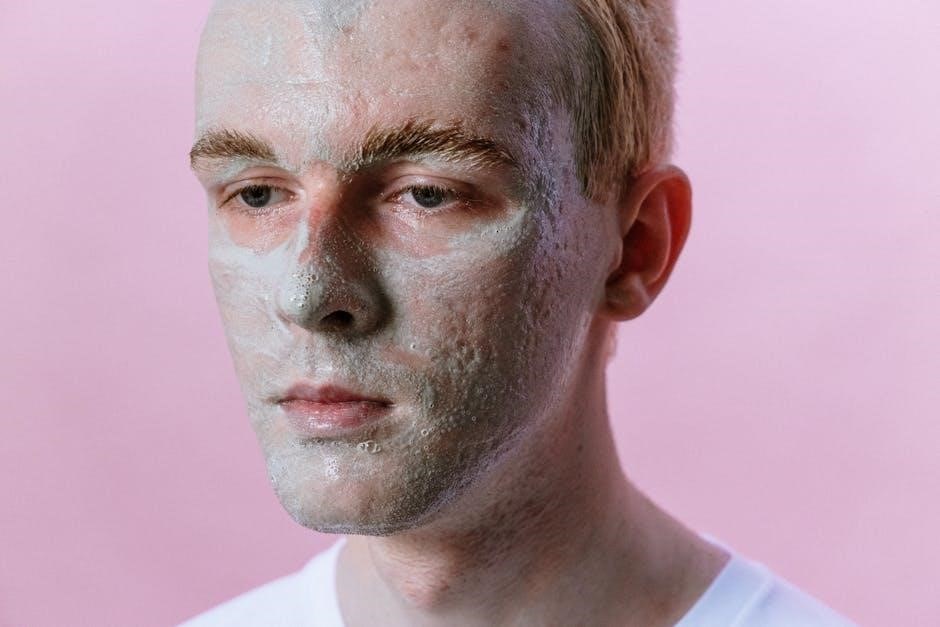
Consider hair and eye color, alongside sun reaction, for accurate assessment! Genetics play a key role, but environmental factors also influence your Fitzpatrick type.
Natural Hair Color
Natural hair color is a significant indicator when determining your Fitzpatrick skin type. Generally, individuals with blonde or red hair tend to fall into Types I and II, exhibiting a greater sensitivity to ultraviolet (UV) radiation. Those with brown hair often align with Types III and IV, demonstrating moderate sun sensitivity.
Dark brown or black hair is commonly associated with Types V and VI, indicating a lower risk of sunburn but still requiring sun protection. However, hair color isn’t definitive; it’s best used in conjunction with other factors like eye color and sun response for a more accurate assessment.
Eye Color Correlation
Eye color often correlates with Fitzpatrick skin types, offering another clue during self-assessment. Individuals with blue or green eyes frequently correspond to Types I and II, displaying heightened sun sensitivity and a propensity to burn easily. Brown eyes are commonly found in Types III to VI, suggesting a greater degree of melanin production.
However, eye color isn’t a standalone determinant. It’s crucial to consider it alongside hair color and, most importantly, your skin’s reaction to sun exposure for a comprehensive and accurate Fitzpatrick skin type determination.
Skin’s Reaction to Sun Exposure (Without Protection)
Observing your skin’s response to the sun is paramount in determining your Fitzpatrick skin type. Note whether you always burn, usually burn, sometimes burn, rarely burn, or never burn after sun exposure without protection. This reaction, alongside the intensity of any tanning, provides vital clues.
The Minimal Erythemal Dose (MED) – the lowest UV dose causing redness – is key. Understanding this response is crucial for assessing your skin’s vulnerability and implementing appropriate sun protection measures.

Performing a Self-Assessment: A Step-by-Step Guide
Begin by observing your baseline skin color, then monitor your skin’s reaction to sun exposure without protection, and document all findings.
Observing Your Skin’s Baseline Color
Start with a thorough assessment of your skin’s natural color in an area unexposed to the sun, like your inner arm or back. Note whether it’s very fair, fair, light-medium, medium, dark-medium, or dark. Consider if your skin has pink, red, or olive undertones.
Avoid recently tanned skin for an accurate baseline. Remember this initial color is crucial for comparing it to your skin’s response after sun exposure. Accurate observation is the foundation of determining your Fitzpatrick skin type.
Monitoring Sun Response: Minimal Erythemal Dose (MED)
Carefully expose a small skin area to the sun for a limited time, avoiding a burn. Observe for the first signs of redness – this indicates your Minimal Erythemal Dose (MED). Note the time it takes for redness to appear.
Remember, this should be done cautiously! Document the intensity of the redness and the time elapsed. Understanding your MED helps classify your skin type on the Fitzpatrick scale, revealing its sun sensitivity.
Documenting Your Observations
Meticulously record your baseline skin color and sun response details in a dedicated notebook or within your Fitzpatrick skin type test PDF. Include the time it took for redness to develop after sun exposure, noting the intensity of the reaction – mild, moderate, or severe.
Consistent documentation over time provides a clear picture of your skin’s behavior, enhancing the accuracy of your self-assessment and informing appropriate sun protection strategies.
Fitzpatrick Scale & Skin Cancer Risk
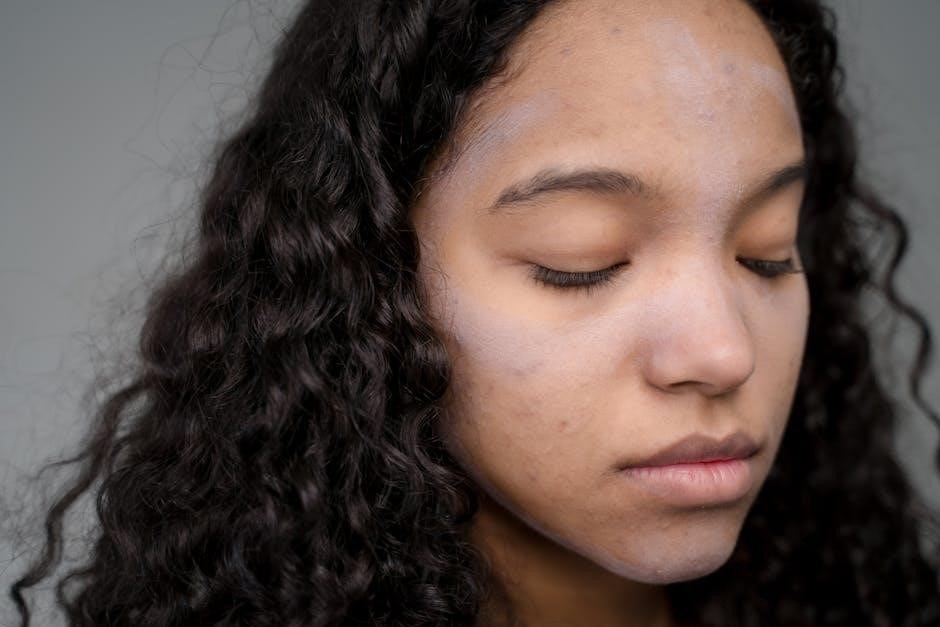
Understanding your Fitzpatrick type is crucial; types I & II face higher risk, while types V & VI have lower, yet still present, vulnerability.
Type I & II: Increased Risk
Individuals with Fitzpatrick skin types I and II, characterized by very fair to fair skin, possess minimal melanin and exhibit a significant vulnerability to ultraviolet (UV) radiation. This lack of protective pigmentation translates to a substantially increased risk of developing skin cancers, including melanoma, basal cell carcinoma, and squamous cell carcinoma.
These skin types consistently burn easily, often without tanning, or tan minimally before burning. Regular and diligent sun protection measures, such as sunscreen application, protective clothing, and seeking shade, are paramount for mitigating these heightened risks. Frequent self-exams and professional dermatological screenings are also strongly recommended.
Type V & VI: Lower Risk, but Still Vulnerable
While individuals with Fitzpatrick skin types V and VI – dark-medium to dark skin – possess greater melanin levels offering some natural protection, they are not immune to skin cancer. Though the risk is lower compared to lighter skin types, it remains a significant concern.
These individuals can still develop skin cancer, often in less common locations or with more aggressive presentations. Sun protection is still crucial, and regular skin self-exams, alongside professional dermatological checks, are vital for early detection and effective treatment.
Importance of Regular Skin Checks
Regardless of your Fitzpatrick skin type, consistent self-examination is paramount. Early detection dramatically improves treatment outcomes for all skin cancers. Monthly checks allow you to identify new moles or changes in existing ones – size, shape, or color alterations warrant immediate medical attention.
Professional dermatological screenings are equally vital, especially for those with higher risk factors. A dermatologist can detect subtle changes often missed during self-exams, ensuring proactive skin health management and potentially life-saving interventions.
Applications Beyond Sun Protection
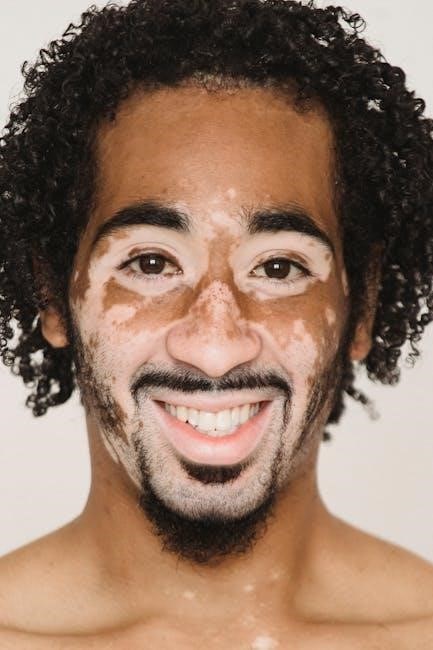
Knowing your Fitzpatrick type guides laser therapy settings and dermatological treatment planning, ensuring safe and effective procedures tailored to your skin’s characteristics.
Laser Therapy Settings
Determining your Fitzpatrick skin type is crucial for safe and effective laser treatments. Different skin types absorb laser energy differently, impacting treatment parameters. Individuals with lighter skin (Types I & II) require lower energy settings to minimize the risk of pigment changes or burns. Conversely, darker skin (Types V & VI) may need higher settings, but careful consideration is needed to avoid hyperpigmentation. Accurate skin typing ensures optimal results and reduces potential complications during laser procedures.
Dermatological Procedures & Treatment Planning
The Fitzpatrick scale guides dermatologists in planning various procedures beyond laser therapy. It influences decisions regarding chemical peels, microdermabrasion, and even prescription skincare regimens. Understanding a patient’s skin type helps predict how their skin will respond to different treatments, minimizing adverse reactions. Accurate assessment ensures tailored approaches for conditions like acne, rosacea, and hyperpigmentation, optimizing treatment outcomes and patient satisfaction.
Limitations of the Fitzpatrick Scale
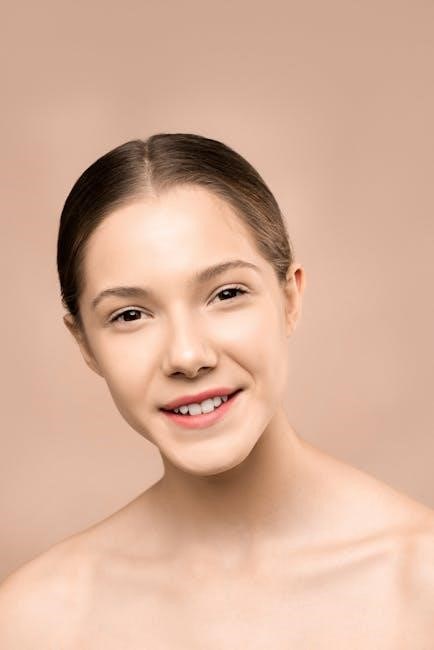
Despite its usefulness, the scale doesn’t account for all skin characteristics, geographic variations, or complex genetic influences on skin tone.
Doesn’t Account for All Skin Characteristics
The Fitzpatrick scale primarily focuses on skin’s reaction to sun exposure, considering hair and eye color as indicators. However, it doesn’t fully capture nuances like skin texture, tendency to bruise, visible veins, or individual differences in melanin distribution. These factors contribute to a person’s unique skin profile and aren’t reflected in the six basic types. Therefore, it offers a simplified view, potentially leading to inaccurate assessments for some individuals.
Geographic & Ethnic Variations
The Fitzpatrick scale originated with a primarily Caucasian population, meaning its accuracy can vary across different ethnic groups and geographic locations. Individuals with mixed ancestry or those from regions with high sun exposure may not fit neatly into the defined categories. Cultural practices and genetic diversity influence skin characteristics, necessitating a nuanced approach beyond the standard classification.
Influence of Genetics Beyond Basic Traits
While hair and eye color contribute to Fitzpatrick typing, genetics extend far beyond these visible traits. Genes regulating melanin production, skin structure, and DNA repair mechanisms all play a role. These complex interactions mean individuals with similar phenotypes can exhibit varying sun responses, highlighting the scale’s limitations in capturing full genetic complexity.
Finding & Utilizing Fitzpatrick Skin Type Test PDFs
Locate printable charts from reliable sources to accurately assess your skin type, aiding in sun protection and dermatological needs.
Reliable Sources for Printable Charts
Seeking a trustworthy Fitzpatrick skin type test PDF? Reputable dermatology websites, like those of professional organizations or board-certified dermatologists, often provide accurate and printable charts. Avoid sources with excessive advertising or unclear origins. Medical institutions and university health centers are also excellent resources. Ensure the PDF is clearly labeled, easy to understand, and visually represents the six skin types effectively. Always cross-reference information with a healthcare professional for personalized guidance. Prioritize PDFs that emphasize educational content over commercial interests.
What to Look for in a Good PDF
A quality Fitzpatrick skin type test PDF should clearly illustrate each of the six skin types with representative images and detailed descriptions. Look for charts that explain the correlation between natural hair color, eye color, and sun reaction. Ensure it outlines the typical response to UV exposure – burning versus tanning. A helpful PDF will also mention the scale’s limitations and emphasize the importance of professional assessment. Avoid PDFs that are poorly designed or lack essential information.
Using the PDF for Accurate Assessment
To utilize a Fitzpatrick skin type test PDF effectively, carefully observe your skin’s baseline color and document your typical reaction to sun exposure without protection. Compare your characteristics – hair, eyes, and sun response – to the descriptions provided in the PDF. Remember this is a self-assessment; consider it a starting point. Consult a dermatologist for a professional evaluation and personalized skincare recommendations for the most accurate results.

Complementary Tools for Skin Analysis
Enhance your assessment with skin tone charts, BMI calculations for overall health, and rash identification guides for related skin concerns.
Skin Tone Charts & Guides
Utilizing skin tone charts alongside the Fitzpatrick scale provides a visual confirmation and nuance to your self-assessment. These charts often display a spectrum of shades, allowing for a more detailed comparison to your natural skin color. They can highlight undertones – warm, cool, or neutral – which aren’t directly addressed by the Fitzpatrick classification but influence how skin reacts to the sun and cosmetic products.
Guides frequently incorporate images of individuals with varying skin tones, offering a relatable reference point. Remember, these are supplemental tools; the Fitzpatrick test remains a scientifically backed method for determining UV sensitivity and potential risks.
BMI Charts & Overall Health Assessment
While seemingly unrelated to skin typing, a Body Mass Index (BMI) chart contributes to a holistic health assessment. Overall health significantly impacts skin condition and its ability to recover from sun exposure. Individuals with certain health conditions, often indicated by BMI, may have compromised skin barriers or altered immune responses.
Understanding your BMI provides context when evaluating skin sensitivity and cancer risk, as inflammation and immune function play crucial roles in both. It’s a reminder that skin health is interconnected with general well-being.
Skin Rash Identification Charts (Related Skin Concerns)
Although focused on skin typing, awareness of potential skin conditions is vital. Skin rash identification charts can help differentiate between common eruptions and those requiring medical attention. Individuals with certain Fitzpatrick skin types may be more prone to specific reactions, like sunburn or allergic dermatitis.
Recognizing rash characteristics – color, texture, and location – aids in early detection and appropriate care, complementing the insights gained from your skin type assessment.

The Future of Skin Typing
Advanced technology promises comprehensive skin analysis, moving beyond basic classification. Personalized skincare, driven by detailed data, will revolutionize dermatological care.
Advancements in Skin Analysis Technology
Current skin typing relies heavily on subjective assessment and the Fitzpatrick scale, but innovations are emerging. Sophisticated devices now utilize spectrophotometry to precisely measure melanin content and skin’s response to UV radiation. High-resolution imaging techniques can detect subsurface pigmentation and vascularity.
Artificial intelligence and machine learning algorithms are being developed to analyze complex datasets, providing more accurate and personalized skin typing. These technologies promise to overcome the limitations of traditional methods, leading to improved skincare recommendations and treatment outcomes.
More Comprehensive Skin Classification Systems
Recognizing the limitations of the Fitzpatrick scale, researchers are developing more nuanced systems. These new approaches incorporate a wider range of factors beyond just skin color and sun reactivity. Considerations include skin barrier function, hydration levels, sebaceous gland activity, and individual genetic predispositions.
Advanced systems aim to categorize skin based on its unique biological characteristics, allowing for highly personalized skincare regimens. This shift towards holistic assessment promises to deliver more effective and targeted solutions for diverse skin types and concerns.
Personalized Skincare Based on Detailed Analysis
Leveraging detailed skin analysis, including Fitzpatrick typing, enables truly personalized skincare. Understanding your skin’s unique response to UV radiation and inherent characteristics allows for tailored product selection and treatment plans. This approach moves beyond generic recommendations, addressing specific needs and concerns.
Customized routines maximize product efficacy and minimize potential irritation, promoting optimal skin health. Detailed assessments empower individuals to make informed choices, resulting in a more effective and satisfying skincare experience.

Resources & Further Information
Explore dermatologist consultations, online quizzes, and reputable websites for detailed insights into Fitzpatrick skin typing and personalized care.
Dermatologist Consultations
Seeking professional guidance from a board-certified dermatologist offers the most accurate skin type assessment, going beyond self-assessment limitations. Dermatologists can evaluate your skin’s response to UV light, considering factors beyond basic Fitzpatrick categories.
They provide personalized recommendations for sun protection, skincare routines, and cancer screenings. Consultations are crucial for individuals with complex skin concerns or a history of skin cancer, ensuring tailored advice and preventative measures.
Online Skin Type Quizzes
Numerous online quizzes offer a convenient initial assessment of your Fitzpatrick skin type, often utilizing a series of questions about your hair, eye color, and sun reaction. While helpful as a starting point, these quizzes are not a substitute for a professional evaluation.
Results should be interpreted with caution, as accuracy can vary. Utilize quizzes to gain a general understanding, but consider a dermatologist consultation for a precise determination and personalized skincare advice.
Reputable Websites & Articles
Accessing reliable information is crucial when learning about the Fitzpatrick scale. Websites of dermatological associations, like the American Academy of Dermatology, provide accurate details and educational resources. Look for articles authored by board-certified dermatologists or medical professionals.
Avoid sources with biased or unsubstantiated claims. Prioritize websites ending in .org, .edu, or .gov for trustworthy information regarding skin typing and sun protection.
Understanding your Fitzpatrick skin type, aided by a PDF chart, is a powerful step towards proactive skin health. Knowledge of your UV sensitivity allows for informed sun protection choices and personalized skincare routines.
Regular self-assessments and professional dermatological checkups are essential for early detection and prevention of skin damage, ultimately empowering you to maintain healthy, radiant skin.