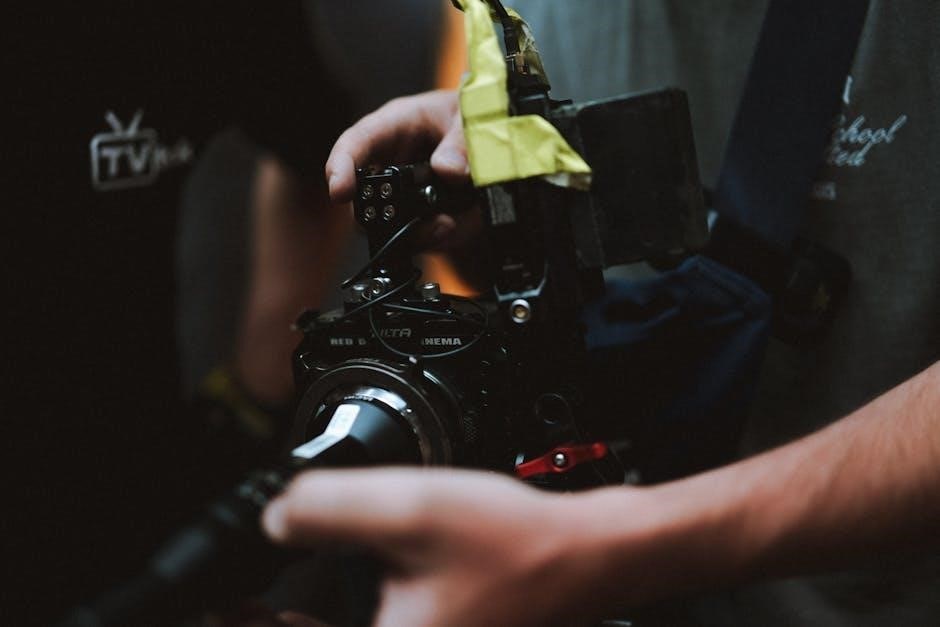
Manual focus lenses offer photographers direct control, bypassing automated systems for precise image creation, and represent a system-change-proof investment for dedicated artists.
These lenses, historically significant, are experiencing a resurgence due to their unique creative potential and enduring optical qualities in modern photography.
What is a Manual Focus Lens?
A manual focus lens fundamentally differs from autofocus lenses by requiring the photographer to physically rotate the focusing ring to achieve sharpness. Unlike modern lenses with built-in motors, these lenses lack electronic assistance for focusing, demanding a more deliberate and engaged approach to image capture.
This direct control allows for exceptional precision, particularly beneficial in scenarios where autofocus systems struggle, such as low-light conditions or macro photography. Essentially, the photographer becomes the autofocus system, relying on visual cues and technique to pinpoint the desired focal plane. This hands-on method fosters a deeper connection between the photographer and the creative process.
These lenses are often prized for their unique optical characteristics and build quality.
Historical Context of Manual Focus
Manual focus reigned supreme for the vast majority of photography’s history, from the earliest daguerreotypes to the mid-1980s. Early cameras relied entirely on the photographer’s skill to achieve sharp images, fostering a deep understanding of optics and depth of field. The introduction of autofocus in the late 20th century marked a significant shift, automating a previously manual process.
However, despite the convenience of autofocus, manual focus lenses never truly disappeared. Vintage lenses, often possessing unique character and optical qualities, continue to be sought after by photographers.
Today, a renewed interest in manual focus reflects a desire for greater creative control and a connection to photography’s roots.

Advantages of Using Manual Focus Lenses
Manual focus lenses provide superior creative control, system-change proofing your investment, and offer remarkable shot-to-shot consistency, often at a more cost-effective price point.
Creative Control and Precision
Manual focus empowers photographers with unparalleled creative control, allowing deliberate choices beyond automated systems. This direct engagement fosters a deeper connection with the image-making process, enabling precise adjustments unattainable with autofocus.
Photographers can intentionally select the focal point, influencing the narrative and artistic expression within the frame. This level of precision is particularly valuable when autofocus systems struggle, such as in challenging lighting or with complex subjects.
Ultimately, manual focus isn’t about overcoming technology, but rather harnessing it to realize a unique and personalized photographic vision, resulting in truly intentional imagery.
System-Change-Proof Investment
Manual focus lenses represent a remarkably durable investment in a photographer’s toolkit. Unlike autofocus lenses, their functionality isn’t reliant on complex electronic communication between lens and camera body. This independence means they remain usable across different camera systems, regardless of evolving technology or manufacturer updates.
As long as a compatible mount adapter is available, a manual lens can be seamlessly integrated with future camera bodies, shielding against obsolescence. This “system-change-proof” quality offers long-term value and avoids the recurring expense of replacing lenses with each camera upgrade.
Shot-to-Shot Consistency
Manual focus lenses deliver a level of consistency often difficult to achieve with autofocus systems. Autofocus algorithms can sometimes “hunt” for focus, resulting in slight variations between shots, even in ideal conditions. With a manual lens, the photographer dictates the precise focal point, ensuring each image maintains the same sharpness and composition.
This predictability is particularly valuable in situations demanding absolute precision, such as product photography or meticulously planned studio work. Eliminating autofocus inconsistencies allows for greater control and repeatable results, streamlining post-processing workflows and enhancing overall image quality.
Cost-Effectiveness: Utilizing Existing or Affordable Lenses
Manual focus lenses often present a significantly more affordable entry point into high-quality optics. Many photographers already possess older manual lenses, offering a cost-free upgrade path. Even acquiring vintage manual lenses can be remarkably inexpensive compared to modern autofocus alternatives.
This accessibility makes excellent glass attainable for photographers on a budget, or those exploring different focal lengths without substantial investment. The ability to adapt these lenses to modern camera bodies further enhances their value, providing a compelling alternative to continually purchasing new autofocus lenses with each system upgrade.

Adapting Manual Focus Lenses to Modern Cameras
Mount adapters bridge compatibility gaps, allowing vintage manual focus lenses to function on modern bodies, while features like focus peaking and magnification aid precise focusing.
Mount Adapters: Compatibility Solutions
Mount adapters are essential tools for utilizing manual focus lenses originally designed for different camera systems on modern digital bodies. These adapters physically bridge the gap between the lens mount and the camera body mount, enabling mechanical compatibility.
However, it’s crucial to understand that adapters generally don’t transmit electronic signals like aperture control. Therefore, aperture adjustments are typically made directly on the lens itself. The quality of the adapter significantly impacts the final image; a well-constructed adapter ensures a secure fit and minimizes light leaks or distortions.
Choosing the correct adapter is vital, considering factors like lens mount type and desired functionality. Adapters allow photographers to explore a vast world of vintage and specialized lenses, expanding creative possibilities.
Focus Peaking: A Modern Aid for Manual Focus
Focus peaking is a tremendously helpful feature found on many modern digital cameras, designed to assist photographers using manual focus lenses. It electronically highlights the areas of the image that are currently in sharpest focus, typically with a colored outline or pattern.
This visual cue dramatically simplifies achieving precise focus, especially when working with shallow depths of field or in challenging lighting conditions. While not a replacement for careful observation, focus peaking significantly speeds up the manual focusing process.
Different cameras offer varying levels of customization for focus peaking, including color choices and sensitivity adjustments. Mastering this feature unlocks the full potential of manual focusing.
Magnification for Precise Focusing
Magnification, often accessed through a camera’s live view mode, is an invaluable tool when utilizing manual focus lenses. It allows photographers to digitally zoom in on a specific portion of the image, revealing minute details that are invisible to the naked eye.
This magnified view enables incredibly precise focus adjustments, crucial for achieving sharpness in critical areas like eyes in portraiture or textures in macro photography. Most cameras offer multiple magnification levels, providing flexibility for different shooting scenarios.
Combined with focus peaking, magnification ensures pinpoint accuracy when manually focusing, maximizing image quality and artistic control.
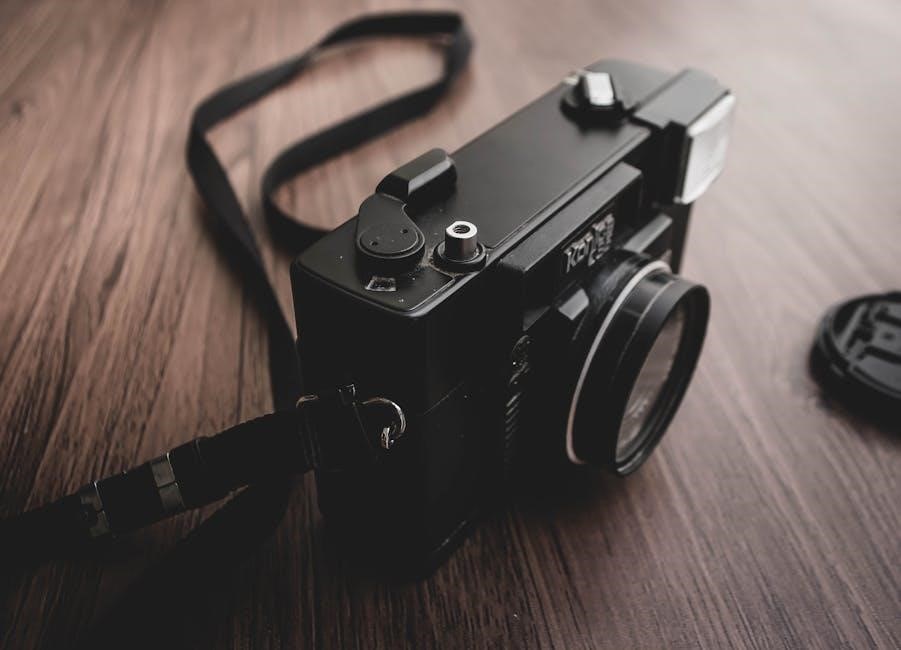
Techniques for Successful Manual Focusing
Mastering manual focus requires understanding depth of field, utilizing live view aids, and employing techniques like the “rocking” method for achieving optimal sharpness.
Understanding Depth of Field
Depth of field (DOF) is crucial when utilizing manual focus lenses. It represents the zone of acceptable sharpness within an image, extending in front of and behind the point of focus. A larger aperture (smaller f-number like f/2.8) creates a shallow DOF, ideal for isolating subjects with blurred backgrounds.
Conversely, a smaller aperture (larger f-number like f/16) yields a greater DOF, keeping more of the scene in focus – beneficial for landscapes. Successfully manipulating DOF with a manual lens demands visualizing this zone and precisely setting the focus point to achieve the desired artistic effect. Understanding how aperture, focal length, and distance to the subject influence DOF is paramount.
Using Focus Aids in Live View
Live View on modern cameras provides invaluable assistance when employing manual focus lenses. Focus peaking highlights in-focus areas with color outlines, dramatically simplifying precise adjustments. Magnification allows zooming into the image to critically assess sharpness, particularly useful for detail-oriented work like macro photography.
These features, combined with the ability to review focus immediately on the LCD screen, mitigate the challenges of manual focusing. Utilizing Live View transforms the process, offering a level of accuracy previously unattainable without relying on autofocus systems. Experiment with different peaking colors for optimal visibility.
Rocking Technique for Sharp Focus
The rocking technique is a cornerstone of achieving critical sharpness with manual focus lenses. Gently sway your body back and forth while observing the focus point in Live View or through the viewfinder. This subtle movement amplifies the perception of focus, revealing the moment of peak clarity as details snap into view.
It’s a tactile method, relying on visual feedback rather than precise adjustments. Practice this technique to develop muscle memory and refine your ability to discern subtle focus changes. Combine it with magnification for ultimate precision, ensuring every detail is rendered with stunning sharpness.
Manual Focus vs. Autofocus: When to Choose Manual
Manual focus excels in low light, macro work, and surprisingly, with fast-moving subjects, offering control where autofocus struggles, ensuring precise image capture and artistic intent.
Low-Light Situations
Autofocus systems often falter in low-light conditions, hunting for a focus point that simply isn’t there. Manual focus lenses, however, empower the photographer to take direct control, carefully adjusting the focus ring to achieve sharpness. This is particularly crucial in astrophotography, night landscapes, or indoor events with limited illumination.
The absence of reliance on electronic detection allows for a more deliberate and accurate focusing process. While it requires patience and practice, the results are often far superior to what autofocus can achieve in challenging lighting scenarios. Mastering manual focus in low light unlocks creative possibilities and ensures consistently sharp images when automated systems fail.
Macro Photography
Macro photography demands extreme precision, often exceeding the capabilities of autofocus systems. The incredibly shallow depth of field at high magnifications makes accurate focusing critical, and even slight errors become immediately noticeable. Manual focus lenses provide the necessary control to pinpoint the exact plane of focus, ensuring that the desired details are tack-sharp.
The fine adjustments possible with a manual focus ring allow photographers to navigate the minuscule focal distances with greater accuracy than autofocus can typically provide. This is especially important when focusing on tiny subjects like insects or flower stamens, where even a millimeter can make a difference.
Fast-Moving Subjects (Surprisingly!)
While counterintuitive, manual focus lenses can excel with fast-moving subjects when autofocus systems struggle. Predictive autofocus often fails with erratic movement, leading to missed shots. Experienced photographers can “pre-focus” on a point and then track the subject, smoothly adjusting focus as it moves through the frame.
This technique, requiring practice, allows for a level of control that autofocus can’t match in unpredictable scenarios. It’s particularly useful in sports or wildlife photography where subjects change direction rapidly. The direct connection between the photographer and the lens fosters a responsiveness that can capture fleeting moments with remarkable clarity.

Specific Types of Manual Focus Lenses
Manual focus lenses encompass vintage optics, specialized cinema lenses, and unique designs like tilt-shift, offering diverse creative possibilities and distinct optical characteristics.
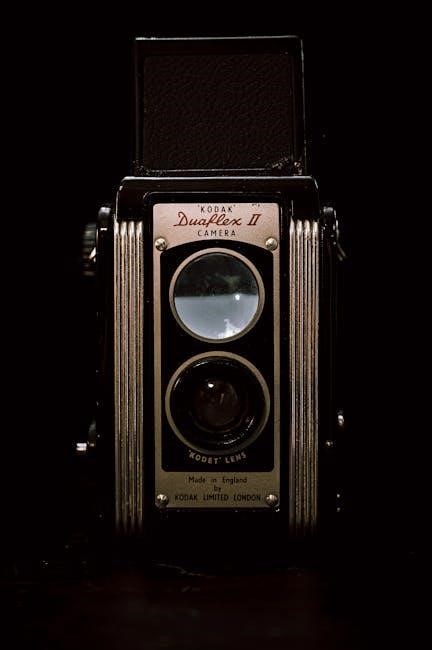
Vintage Lenses: Exploring Classic Optics
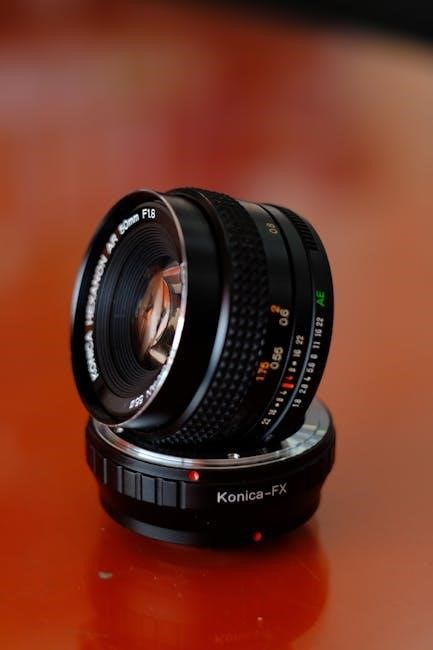
Vintage manual focus lenses represent a captivating journey into photographic history, offering unique character and optical qualities often absent in modern designs. These lenses, frequently available at affordable prices, provide a cost-effective entry point into manual focusing.
Their appeal lies in distinct rendering styles – softer flares, unique bokeh, and sometimes, charming imperfections – contributing to a filmic aesthetic. Adapting these lenses to modern digital cameras allows photographers to blend classic optics with contemporary technology.
However, users should be aware of potential issues like coatings degradation or mechanical wear, requiring careful inspection and, occasionally, restoration. Despite these considerations, vintage lenses remain a popular choice for photographers seeking individuality.
Cinema Lenses with Manual Focus
Cinema lenses designed with manual focus prioritize smooth, precise control crucial for filmmaking. Unlike autofocus lenses, these offer consistent performance across frames, vital for maintaining a visual narrative. Their robust build quality and geared focus rings enable accurate rack focusing and repeatable movements, essential for professional workflows.
These lenses often feature standardized gear sizes for easy integration with follow focus systems, enhancing control during shooting. While typically more expensive than photographic lenses, their optical quality and mechanical precision justify the investment for serious filmmakers.
Manual focus in cinema allows for deliberate artistic choices and avoids the potential inconsistencies of autofocus systems.
Specialty Lenses: Tilt-Shift and Others
Specialty manual focus lenses, like tilt-shift lenses, offer unique creative capabilities beyond standard optics. Tilt-shift lenses allow manipulation of the plane of focus, correcting perspective distortion or creating miniature effects. These lenses demand precise manual operation for optimal results, as autofocus isn’t typically available or desirable.
Other specialty lenses, such as some macro lenses or certain wide-angle designs, often prioritize manual focus for enhanced control and accuracy. These lenses cater to niche photographic applications where precise focusing is paramount.
Exploring these options expands a photographer’s artistic toolkit, offering distinct visual possibilities.
Troubleshooting Common Manual Focus Issues
Common issues with manual focus include back/front focus, parallax error, and occasional calibration needs; careful technique and understanding can minimize these challenges.
Back Focus and Front Focus
Back focus occurs when the point of sharpest focus lies behind your intended subject, while front focus means sharpness is achieved in front of it. These issues, though more commonly associated with autofocus systems, can certainly manifest with manual focus lenses, often stemming from slight inaccuracies in lens construction or adapter usage.
Careful observation through live view magnification is crucial for diagnosis. If consistently experiencing either, double-check adapter fit (if used) and ensure precise rotational adjustments during focusing. Sometimes, a very slight shim between the lens and adapter can resolve minor alignment problems. Remember, consistent technique is key to minimizing these frustrating errors.
Parallax Error and How to Minimize It
Parallax error arises when the image seen through the viewfinder doesn’t perfectly align with what the lens is actually focusing on, particularly noticeable at closer distances. This discrepancy occurs because your eye isn’t positioned exactly at the lens’s optical center. It’s more pronounced with wider-angle lenses and close-up work.
To minimize parallax, especially when using manual focus, utilize live view and zoom in for critical focus confirmation. Alternatively, position your eye as centrally as possible behind the viewfinder. Understanding your camera’s specific parallax correction mechanisms (if any) is also beneficial. Consistent head position during focusing will dramatically improve accuracy.
Lens Calibration (If Applicable)
Lens calibration, primarily relevant when adapting manual focus lenses, addresses inconsistencies between the lens’s focus ring markings and the actual focal plane achieved. While older lenses weren’t designed for digital camera systems, calibration can refine focus accuracy. This process often involves using focus charts and software to map the lens’s behavior.
However, true calibration is less common with fully manual lenses as there’s no electronic communication. Instead, careful observation and marking your own focus points can be more practical. Precise adjustments are crucial for optimal sharpness, especially in critical applications like macro or portrait photography.
The Future of Manual Focus Lenses
Manual focus lenses are seeing a popular revival, inspiring new designs and technological enhancements that blend classic control with modern camera capabilities.
Expect continued innovation, catering to photographers seeking a tactile, deliberate approach to image creation.
Resurgence in Popularity
Manual focus lenses are experiencing a notable comeback within the photographic community, driven by a desire for greater creative control and a rejection of over-reliance on automation. This resurgence isn’t simply nostalgia; photographers are actively seeking the deliberate process and unique aesthetic qualities these lenses offer.
Many appreciate the system-change-proof nature of manual lenses, ensuring compatibility regardless of camera body upgrades. Furthermore, the challenge of precise manual focusing fosters a deeper connection between the photographer and the image-making process, resulting in more thoughtful and intentional compositions. This trend highlights a growing appreciation for the artistry and skill involved in traditional photographic techniques.
New Manual Focus Lens Designs
While vintage manual focus lenses remain popular, a wave of new designs are emerging, catering to modern photographers’ needs. These aren’t simply re-housings of older optics; manufacturers are creating entirely new manual focus lenses with contemporary features and improved optical performance.
These lenses often incorporate advanced coatings, optimized glass elements, and robust build quality. Some designs prioritize compact size and lightweight construction, appealing to travel and street photographers. The renewed interest fuels innovation, resulting in lenses that blend classic manual control with modern engineering, offering a compelling alternative to autofocus options.
The Role of Technology in Enhancing Manual Focus
Despite being “manual,” technology significantly aids modern manual focusing. Features like focus peaking, highlighting in-focus areas, and magnification for precise adjustments are now standard in many mirrorless cameras. These tools transform the experience, making accurate focusing far easier than in the past.
Live view functionality, coupled with digital zoom, allows for critical focus confirmation. Software advancements also offer focus stacking capabilities, expanding depth of field. These technological integrations don’t replace skill, but they empower photographers to achieve sharper results and explore the creative potential of manual focus lenses.
Resources for Manual Focus Lens Users
Online communities and forums provide valuable support, while books and tutorials offer in-depth knowledge. Lens review websites help inform purchasing decisions.
These resources empower photographers to master manual focus techniques and unlock the full potential of their lenses.
Online Communities and Forums
Engaging with online communities dedicated to manual focus lenses is incredibly beneficial for photographers of all levels. Platforms like Reddit’s r/analog, dedicated photography forums, and Facebook groups offer spaces to share experiences, ask questions, and receive feedback.
These communities are treasure troves of information, covering everything from lens adaptations and troubleshooting to technique discussions and showcasing inspiring work. Experienced users readily share their knowledge, helping newcomers navigate the nuances of manual focusing.
Furthermore, these forums often feature detailed discussions on specific lenses, providing valuable insights into their characteristics and potential. Active participation fosters learning and connection within the manual focus photography world.
Books and Tutorials
Dedicated resources like books and online tutorials provide structured learning for mastering manual focus techniques. While specific titles solely focused on manual focus lenses are less common, many photography guides dedicate sections to the art of manual focusing.
Look for resources covering fundamental photography principles, depth of field, and focusing methods. Online platforms such as MasterClass and YouTube host tutorials demonstrating practical techniques like rocking and focus peaking.
These materials often include exercises to hone your skills and build muscle memory, crucial for consistent sharp results. Supplementing practical experience with theoretical knowledge accelerates your learning journey.
Lens Review Websites
Specialized websites offer in-depth reviews of both modern and vintage manual focus lenses, providing valuable insights before purchasing. These reviews often detail optical characteristics, build quality, and potential compatibility issues when adapting lenses to modern camera bodies.
Websites like those focusing on vintage lenses frequently include user forums where photographers share experiences and offer advice. Resources such as Yahoo Finance, while not solely lens-focused, can provide context on market values for older optics.
Carefully examine sample images and read user comments to gauge real-world performance and identify potential drawbacks before investing in a manual focus lens.